
Sprunki Beats Phase 4
Novelab LLCMusic
3.73.00 Reviews
- Version
- 1.0
- Installs
- 100.00K
- Age Rating
- Everyone
Screenshots
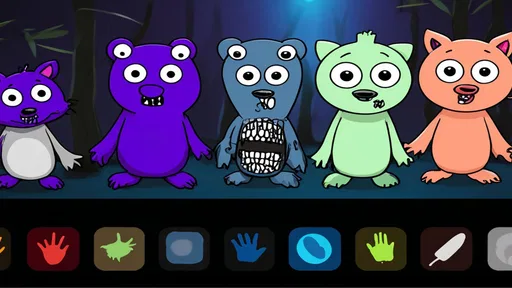
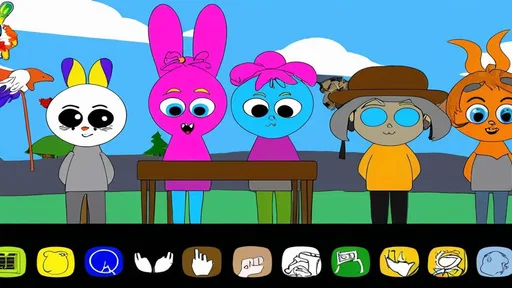
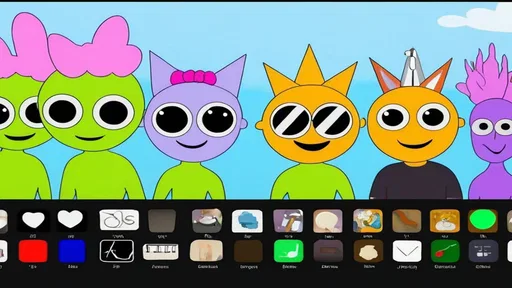
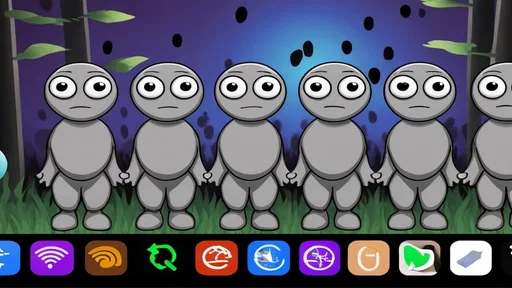
Our Review of Sprunki Beats Phase 4
 Analysis by Appyee
Sprunki Beats Phase 4 is a free music game from Novelab LLC that aims to turn a short break into a playful rhythm session. I approached it as the kind of title you open when you want immediate interaction rather than a long story, a competitive campaign, or a complicated music-production tool. Its simple store presentation leaves the real question to the experience: does it offer enough musical fun to justify keeping it installed?
My answer is cautiously positive. The appeal is easy to understand, especially if you enjoy experimenting with beats and want something suitable for a broad audience. At the same time, I would not treat it as a replacement for a full rhythm game, a serious beat-making app, or a polished music-learning platform. Its value comes from being free to try and easy to approach, not from promising the depth of those more specialized alternatives.
How Sprunki Beats Phase 4 feels in everyday use
The game sits in the music category, and that matters because the experience is best judged by how quickly it gets you making or responding to musical ideas. I found the most natural way to approach it was without expecting a traditional arcade campaign. Instead, I treated each session as a small creative diversion: open the game, explore the available musical interaction, listen closely, and decide whether the result is enjoyable enough to repeat.
That mindset makes a difference. Someone arriving from a score-focused rhythm game may look for precise timing challenges, escalating stages, or a clear performance target. Someone coming from a music toy may care more about playful combinations and immediate feedback. Sprunki Beats Phase 4 makes more sense for the second group, although players who like both styles may still enjoy testing how much control the game gives them.
The store summary presents it as a way to have fun with Sprunki Beats Phase 4, while the shorter description identifies it simply as Sprunki Beats. Those descriptions are brief, so I would not download it expecting a detailed tutorial or a large explanation of its systems. The better approach is to give it a few minutes with an open mind and see whether its musical loop matches your taste.
One practical strength is the low commitment. The game is free, carries an Everyone content rating, and its current version is 1.0. That combination makes it approachable for casual players and families who want to inspect the experience before deciding whether it belongs on a device. Free access does not automatically mean unlimited value, but it removes the most immediate barrier: there is no purchase decision to make before trying the core experience.
Why the first session should be exploratory
I recommend resisting the urge to judge the game after only a few seconds. Music-based games often reveal their appeal through repetition: a sound that seems ordinary at first may work better when combined with another part, and a playful result may become clearer once you stop searching for a conventional win screen. With this title, the first session is most useful when treated as a quick tour rather than a test of technical depth.
A good everyday scenario is a short wait before an appointment. I would open the game with headphones or low device volume, spend a few minutes trying the musical interactions, and close it without feeling committed to a long session. That is where its free model works well: the game can fill a small gap without asking me to plan a purchase or learn a large control scheme.
It can also suit a family setting, provided an adult is comfortable with the game’s broad Everyone rating and supervises younger players in the normal way. The appeal here is not necessarily competition between players. It is the chance to share a small musical experiment, compare the sounds each person prefers, and decide whether the result feels amusing or repetitive.
What the free price really means
Because the game is free, its value should be judged by the time and enjoyment it provides rather than by a traditional paid-game standard. I would call it a low-risk download, not an automatic bargain. A free title can still be a poor choice if it becomes repetitive quickly, demands too much attention for a short session, or does not match the player’s preferred kind of music interaction.
The important distinction is that free access makes trying it sensible, but it does not prove that the game offers long-term depth. I would install it for curiosity, casual play, or a quick musical distraction. I would not choose it as my main game if I wanted a structured progression system, serious composition tools, or a demanding performance challenge.
There is also a useful trade-off in not assigning a monetary value to the experience. If I enjoy a handful of short sessions, the game has already served a purpose without requiring a purchase. If I stop using it after one exploration, the cost of that experiment is mainly storage space and attention. That is a reasonable proposition for players who prefer sampling small games rather than committing to a large download or paid app.
Where it differs from common alternatives
Compared with a conventional rhythm game, Sprunki Beats Phase 4 is better approached as a musical playground than as a test of accuracy. Traditional rhythm titles usually make timing, scoring, and progression central to the experience. If your satisfaction comes from improving a score or clearing increasingly difficult tracks, another music game may give you a stronger reason to return.
Compared with a full beat-making application, this game is likely to feel more immediate and less demanding. A production app is designed around control, editing, arrangement, and repeatable projects. Here, the attraction is the quick feedback of play. That makes it more welcoming for a curious beginner, but less suitable for anyone who wants to export a polished track, study production techniques, or build a detailed song from individual parts.
It also occupies a different space from music-learning software. An educational app normally explains rhythm or notation and gives the user a measurable practice path. I would not choose this game when the goal is to improve an instrument skill or follow a lesson plan. Its value is entertainment and experimentation, not formal instruction.
Small habits that make the experience more useful
My first tip is to listen before changing anything repeatedly. When a music game feels simple, it is tempting to tap through every option as quickly as possible. That can make the results blur together. Giving each combination a moment of attention makes it easier to notice which sounds actually work for you and prevents the session from becoming random button pressing.
My second tip is to use short, intentional sessions. The game is a better fit for a five-minute break than for an evening where I expect a deep progression loop. Setting that expectation helps avoid the main disappointment: asking a compact music game to provide the same long-term structure as a major rhythm release.
A third useful approach is to compare the game with your own reason for downloading it. If you wanted a playful way to hear different beat combinations, focus on variety and mood. If you wanted a challenge, look for signs that the available interaction keeps you engaged after the novelty fades. This simple check prevents the free price from disguising a mismatch between the game and your needs.
Headphones can also improve the evaluation, especially when the device speaker makes different sounds blend together. I would keep the volume comfortable and avoid assuming that louder means better. The point is to hear the character of the musical result clearly, not to turn a short casual session into a tiring one.
Who is most likely to enjoy it
I see the strongest fit for casual players who like music-themed games but do not want a demanding tutorial or a long commitment. It is also a sensible option for someone curious about the Sprunki Beats style and unwilling to pay before trying it. The Everyone rating broadens its potential audience, while the free price makes it easy to recommend as an experiment rather than a major purchase.
It may appeal to younger players who enjoy playful sound interaction, although the best experience will depend on how much variety they expect. A child who likes discovering combinations may return often. A child who needs constant goals, rewards, or changing challenges may lose interest sooner. That difference is worth considering before treating the game as a guaranteed source of sustained entertainment.
It is less suitable for musicians looking for a serious workstation. I would skip it if my main goal were recording, arranging, mixing, or learning a specific technical skill. I would also look elsewhere if I wanted a competitive rhythm game with a clearly defined difficulty curve and a strong emphasis on precision.
Players who dislike experimentation may not get much from it either. The game’s appeal depends on being willing to explore rather than demanding that every action produce a clear achievement. That is not a flaw by itself, but it creates a definite audience boundary: people who enjoy open-ended musical play are more likely to see value than people who need explicit objectives.
What the current release suggests
Novelab LLC is the developer behind the game, and the current release is version 1.0. That makes me approach it as an early, straightforward experience rather than assuming it has the maturity or breadth of a long-established music platform. I would pay attention to how well the basic loop holds up during repeated sessions, because a first release can be enjoyable while still feeling limited beside more developed alternatives.
The game has passed the hundred-thousand-install mark and holds a 3.7 average from roughly one hundred sixty ratings. Those figures suggest that it has attracted real curiosity, but they do not remove the need for personal testing. A rating in that range is best read as a sign of mixed experiences rather than a universal recommendation. I would use the free download to make my own judgement instead of relying on popularity alone.
The release date is December 11, 2025, and the listed minimum operating system is Android 5.1. That broad compatibility is helpful for people using older Android hardware, although actual comfort will still depend on the device and the player’s expectations. On an older phone, I would keep the first session short and check whether audio response and controls feel comfortable before deciding to keep it installed.
The small number of written reviews compared with the wider rating count also encourages a practical approach: treat public reaction as a general signal, not a detailed guide to every use case. For me, the most meaningful test is whether the game remains pleasant after the first novelty has passed and whether its musical interaction fits the amount of control I want.
My recommendation after weighing the trade-offs
I would recommend trying Sprunki Beats Phase 4 if you want a free, accessible music game for brief creative breaks. Its strongest advantage is the combination of low commitment and approachable musical play. You can explore it without turning the decision into a purchase, and the Everyone rating makes it easier to consider for a broad audience.
I would not recommend it as a substitute for a full rhythm title, a beat-production suite, or a music lesson app. Those alternatives are better when you need measurable progress, detailed editing, technical instruction, or a demanding challenge. Choosing this game makes sense only when its lighter, more exploratory character is exactly what you want.
My final verdict is try it, but keep your expectations focused. The free price makes experimentation reasonable, while the 1.0 release and middling 3.7 average suggest that it should be judged on personal enjoyment rather than assumed depth. If a short session of musical discovery sounds appealing, it is worth installing. If you are searching for a complete music system or a long-term competitive game, I would skip it and choose a more specialized alternative.
In practical terms, I would give it a place on my device for casual use, then make the keep-or-remove decision after several short sessions rather than one rushed test. That approach matches what the game appears designed to offer: a simple way to play with beats, with the freedom to enjoy it briefly or move on when the musical novelty no longer feels rewarding.
Verdict
Strengths of Sprunki Beats Phase 4
- Creative beat-making tools encourage experimentation.
- Distinctive character designs give the app a memorable style.
- Short sessions make it easy to play casually.
- Layered audio helps users build tracks step by step.
- Works well as a playful introduction to rhythm creation.
Limitations of Sprunki Beats Phase 4
- Some features may feel repetitive after extended play.
- The interface can take time to understand for new users.
- Limited control may frustrate experienced music creators.
- Audio quality depends heavily on the device and headphones.
- Content variety may not satisfy users seeking a full music studio.
Similar Picks in This Category
View All
Tiles Hop Music & Ball Game
AMANOTES PTE. LTD.4.3

Magic Tiles 3™ - Piano Game
AMANOTES PTE. LTD.4.6

Real Piano
Bilkon3.7

Piano Game: Classic Music Song
Dream Tiles Piano Game Studio4.0

Smash Colors: Music Ball Rush
BADSNOWBALL HONGKONG LIMITED4.2

Piano Music Go-EDM Piano Games
Joy Journey Music Games4.5
Frequently Asked Questions
What is Sprunki Beats Phase 4?
Sprunki Beats Phase 4 is a fan-made rhythm and music-creation experience inspired by the Sprunki and Incredibox-style format. It lets you combine animated characters, vocal effects, beats, and melodies to build custom tracks. Phase 4 generally introduces a darker, more experimental atmosphere than earlier versions, so it may appeal to players who enjoy unusual sound combinations, visual changes, and discovering hidden musical interactions.
How do you play Sprunki Beats Phase 4?
Gameplay is usually based on selecting or dragging characters into an arrangement area, with each character representing a different beat, effect, melody, or vocal sound. You can experiment with different combinations to create a complete track and remove sounds whenever you want. Some combinations may trigger special animations or transformations, so exploring freely is an important part of the experience.
Is Sprunki Beats Phase 4 available for Android and iOS?
Availability can vary depending on the version and the website offering the game. Sprunki Beats Phase 4 is often presented as a browser-based fan project rather than a standard official mobile application, meaning it may run through a mobile browser instead of being downloaded from Google Play or the App Store. Always check the publisher, permissions, reviews, and download source before installing any unofficial package.
Is Sprunki Beats Phase 4 suitable for children?
The basic music-making mechanics are simple enough for many younger players, but Phase 4 may include darker visuals, unsettling character designs, dramatic sounds, or horror-inspired themes. Because fan-made versions can differ from one another, parents should preview the specific version before allowing children to play. It is also wise to supervise downloads and avoid files from unknown sources that could contain unwanted content.
Does Sprunki Beats Phase 4 require an internet connection or in-app purchases?
The requirements depend on whether you are using a browser version, an official release, or an unofficial downloadable build. Browser editions normally need an internet connection to load, while some packaged versions may work offline after installation. Many fan projects are free and do not require in-app purchases, but advertisements, redirects, or misleading download buttons may appear on third-party sites, so review the source carefully before proceeding.
Play our best games!


